Support That Comes to You: Getting Mental Health Help Without Leaving the Sofa

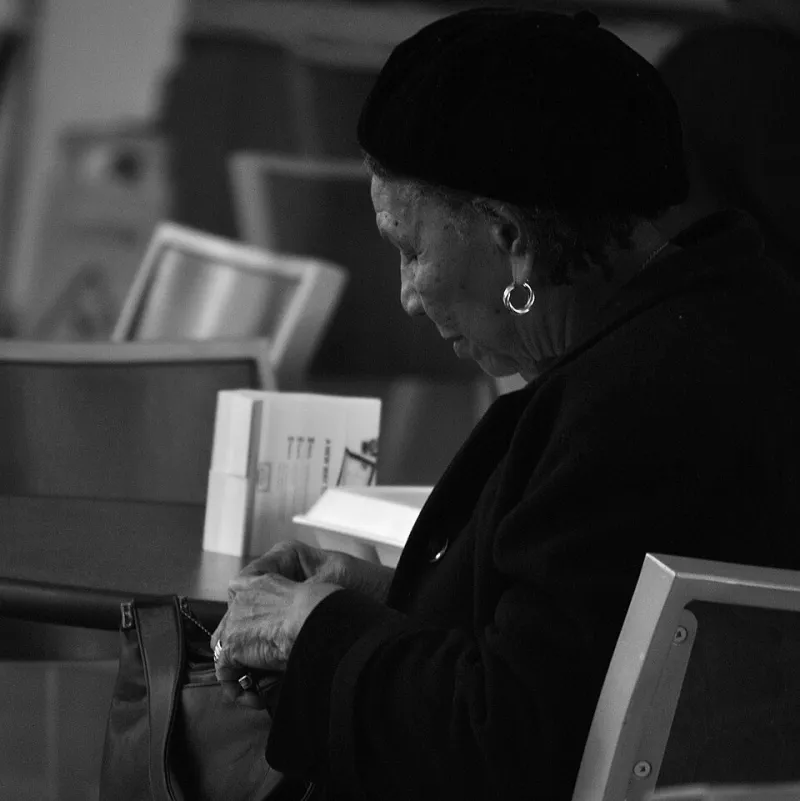
Photo: T.B. Walker, Public domain, via Wikimedia Commons
Some days, the gap between your sofa and the front door might as well be a canyon. Whether it's panic that spikes the moment you picture a bus stop, depression that's nailed the duvet down, or a physical condition that makes trips out exhausting — the standard advice of 'just pop into your GP' can feel like it was written for someone else's life.
The good news: a surprising amount of genuine support can now reach you where you are. No coat, no small talk with receptionists, no six floors of stairs.
Therapy That Travels to You
NHS Talking Therapies (formerly IAPT) services across England now routinely offer sessions by phone or video call, and the same shift has happened with services in Scotland, Wales and Northern Ireland. You can usually self-refer online without ringing anyone — genuinely a relief when phone calls themselves are the problem.
Beyond the NHS, many private therapists and counsellors work entirely remotely. Directories like the BACP and UKCP let you filter for online-only practitioners, and some offer reduced-rate slots. Charities such as Anxiety UK also provide discounted therapy delivered by phone or webcam.
If typing feels easier than talking, text-based support exists too: Shout (text SHOUT to 85258) offers crisis support by message, and some services provide structured online CBT programmes you can work through at your own pace.
A Voice on the Line: Telephone Befriending
Isolation has a way of compounding everything else. Regular human contact — even with a friendly stranger — can genuinely shift things.
- Age UK runs telephone friendship services matching older people with a weekly call companion
- The Silver Line (0800 4 70 80 90) offers free calls for anyone over 55, day or night
- The Cares Family and similar local organisations connect people across generations in many cities
- Re-engage arranges group phone calls for people who'd otherwise be on their own
These aren't therapy, and they won't pretend to be. But a standing weekly chat gives your week a shape, and that matters more than it sounds.
When Someone Can Knock Instead
Some areas still have home-visiting schemes worth hunting down. Community mental health teams can arrange home visits for people who can't attend appointments — you'll need to ask, because it isn't always volunteered. Your GP can request a home visit on your behalf, and social prescribers (increasingly available at GP practices) can sometimes arrange home-based support too.
District nurses, occupational therapists and Macmillan-style support workers also make house calls for people with physical health needs, and many will flag mental health concerns as part of their visits.
Prescriptions Without the Queue
You don't need to stand in a chemist's to get medication anymore. Options include:
- Repeat dispensing and electronic prescriptions — your GP sends prescriptions straight to a pharmacy
- Online pharmacies such as Pharmacy2U or LloydsDirect, which deliver medication to your door free on the NHS in many areas
- Prescription delivery services offered by many local chemists, often free for people who can't get out
Dentist, too: some practices offer phone or video consultations, and community dental services exist for people who genuinely can't travel.
Your First Contact, From the Sofa: A Step-by-Step Guide
- Pick your lowest-barrier channel. If phone calls spike your anxiety, start with web forms or email — NHS Talking Therapies self-referral forms, for instance, take about ten minutes.
- Draft it once, reuse it everywhere. Write a short paragraph describing what you're experiencing and what you'd find helpful. Most services ask roughly the same questions.
- Set the scene in your note. Say plainly: 'I find phone calls difficult' or 'I'm unable to leave the house due to my health.' Services can adapt — but only if they know.
- Ask about alternatives upfront. Video, phone, text, email check-ins, home visits — request what works, not what's standard.
- Let someone else do the legwork. A trusted friend, family member or advocate (advocacy services exist in every UK region, often free) can make contact on your behalf with your permission.
- Expect a wait, and plan around it. Waiting lists are real. In the meantime, free lines like Samaritans (116 123) are there any hour, no matter how small the worry seems.
- Keep a simple record. A note of who you contacted, when, and what they said saves you re-explaining everything each time — and re-explaining is exhausting.
One Last Thing
Being housebound and needing help isn't a contradiction, and it isn't a character flaw. The system has quietly moved further than most people realise — the trick is knowing which doors open remotely. Start with the smallest step on that list. The sofa is a perfectly legitimate place to begin.