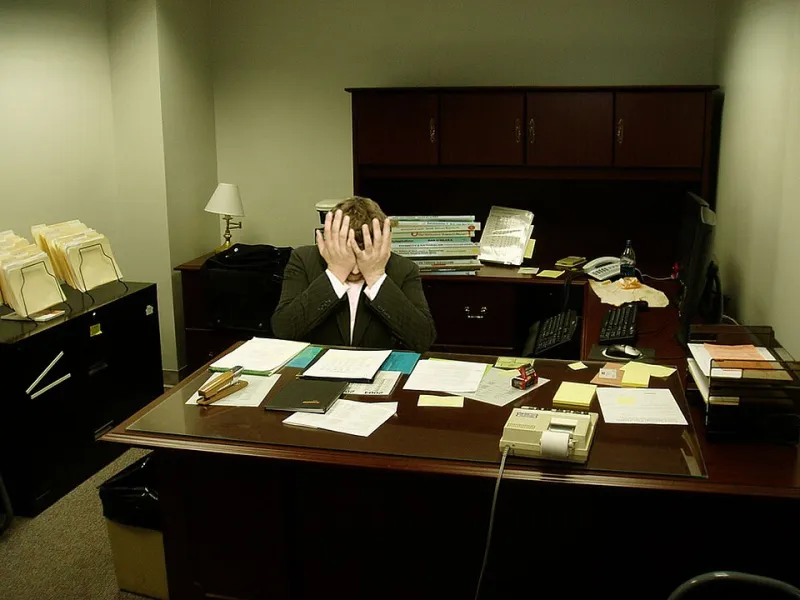
When February Bites: Making Sense of Seasonal Low Mood in the UK
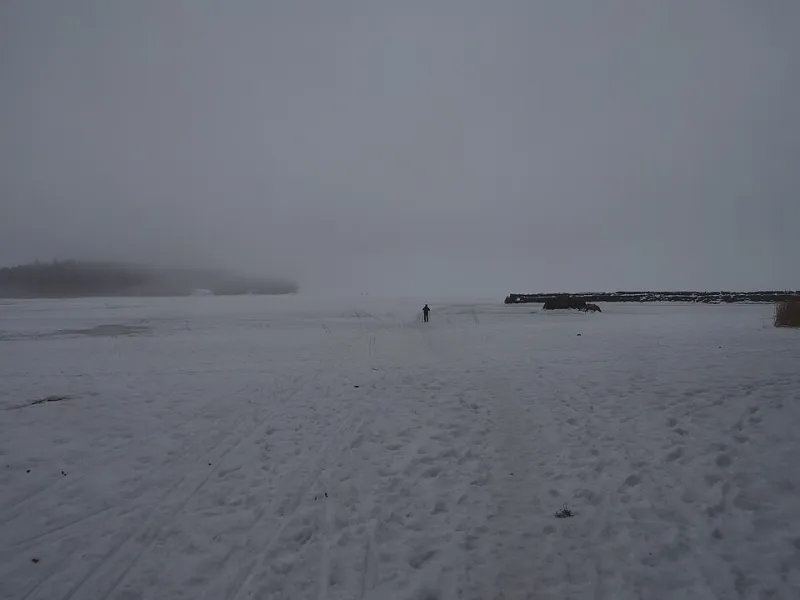
Photo: JIP, CC BY-SA 4.0, via Wikimedia Commons
There's a particular kind of afternoon in January when you glance at the window, notice it's already pitch black, and feel something in your chest sink a little. If that feeling shows up every year around the same time — and lifts again once the clocks go forward — you're in good company. Britain sits far enough north that our winter days are brutally short: in Inverness, you might get barely seven hours of daylight in midwinter, and even London barely scrapes eight. Our bodies evolved expecting more light than the UK delivers between October and March. For some of us, that gap matters enormously.
Flat in February or Something More?
Most people feel a bit sluggish when it's grim outside. That's normal, and it's not a disorder — it's a reasonable response to a country that's mostly drizzle for four months. But seasonal affective disorder (SAD) is different. It's a recognised form of depression with a seasonal pattern, and it tends to look like this:
- Low mood most days, for weeks, starting around autumn and easing in spring
- Sleeping far more than usual but still waking exhausted
- Craving carbohydrates and gaining weight over winter
- Losing interest in things you normally enjoy
- Finding it genuinely hard to function at work or home
If this pattern has repeated for two or more winters, it's worth mentioning to your GP. Keep a simple mood diary through the year if you can — it makes the seasonal pattern much easier to demonstrate, and GPs take a documented pattern more seriously than a vague 'I feel rubbish in winter'.
Why Britain Is Especially Prone
Latitude is the quiet culprit here. The further from the equator you live, the weaker and shorter the winter light becomes — and the UK stretches up to nearly 61°N in Shetland. Research into SAD consistently shows rates climbing the further north you go. Add in the fact that our cloud cover blunts whatever light we do get, and the average Brit spends winter absorbing a fraction of the brightness that actually regulates mood and sleep. Sitting in a well-lit office might feel bright, but a typical indoor light is roughly ten times dimmer than an overcast day outside.
Working With Light, Not Against It
The single most evidence-backed self-help tool for seasonal low mood is more light, earlier. A few practical routes:
Light boxes. A proper SAD lamp delivering around 10,000 lux, used for 30–60 minutes each morning, has decent research behind it. Look for ones that produce visible light (10,000 lux) rather than blue-only gimmicks, and use them within an hour of waking. Expect a couple of weeks before you notice a shift.
Morning daylight, outdoors. Even a 15-minute walk before work delivers far more usable light than any lamp — and it stacks with the other benefits of movement. Grey skies still count; an overcast UK morning is still several times brighter than your kitchen.
Rearrange your home around daylight. Move your desk or breakfast table near the biggest window. Trim hedges that block morning light. Swap heavy curtains for lighter ones in the rooms you use before midday. These sound trivial; over months, they add up.
Protect your body clock. Wake at a consistent time, get light soon after, and ease off screens late at night. Seasonal low mood often comes tangled with disrupted sleep, and sorting one helps the other.
Don't Do It Alone
Light strategies work best as a foundation, not a cure-all. If winter reliably flattens you, it's worth building in support too — a regular something in the calendar that gets you out of the house, whether that's a Saturday parkrun, a class at your local leisure centre, or an online community where people swap what's working for them. Talking therapies, including NHS options you can often self-refer to without seeing your GP first, can be timed to start in autumn — before the worst of it, rather than during.
And if the low mood stops being strictly seasonal, or you find yourself struggling to cope day to day, that's a sign to reach for more formal support. Start with your GP, or if you need to talk to someone right now, Samaritans are free on 116 123, any time.
Winter in Britain is long, and some of us feel it in our bones and our brains. But between daylight tactics, light boxes, and support that fits your life, the dark months don't have to be something you simply endure.